Light Tree Embroidery Review for Craft Fair Products
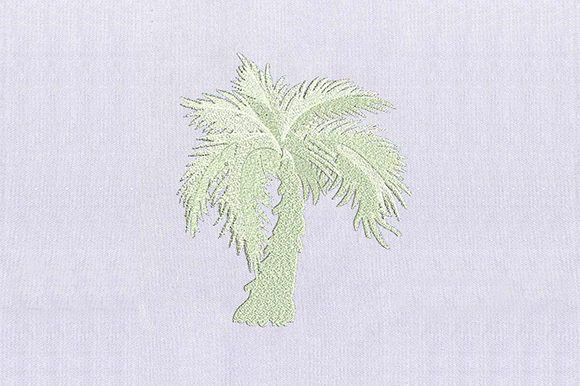
As an experienced embroidery designer, I recently had the chance to review the Light Tree machine embroidery design and evaluate how it might perform in a real-world craft fair setting. This design, which falls under the Forest category, is described as a high-quality embroidery that looks great on any fabric or clothes. My evaluation focuses on its visual appeal, practicality, and potential for success when turned into handmade products like tote bags, aprons, tea towels, and more.
First Impressions of Light Tree
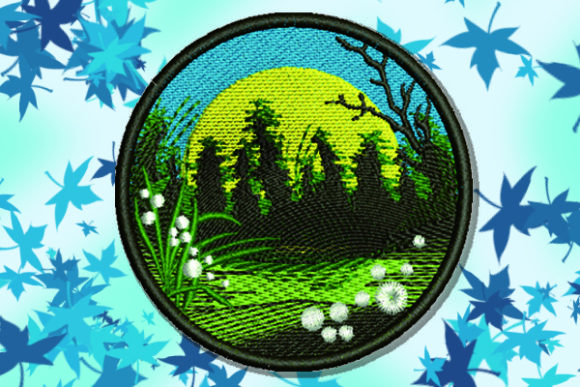
The Light Tree design immediately feels soft and elegant. It has a delicate, almost whimsical charm that suggests a modern yet nature-inspired aesthetic. The title itself evokes imagery of something gentle, perhaps even a bit magical—like a glowing tree in the forest at night. This makes it perfect for customers who are drawn to handmade products with a touch of fantasy or storytelling.
The design doesn’t feel overly busy, which is a big plus for those looking for something subtle but eye-catching. Its simplicity allows it to be versatile across different product types while still maintaining a strong visual identity.
How Light Tree Performs on Various Products
One of the key considerations when choosing an embroidery design is how well it translates onto different surfaces. Here’s how Light Tree performs:
- Tote Bags: Light Tree shines on tote bags. Its size and detail work well on larger surfaces without overwhelming the design. It adds a nice focal point that draws attention and gives the bag a unique, artisanal feel.
- Apron Embroidery: On aprons, the design works as a decorative accent. It complements farmhouse or rustic themes and adds a touch of elegance to everyday kitchen wear.
- Tea Towel Embroidery: The softness of the design pairs beautifully with the texture of tea towels. It brings a sense of warmth and calm to these functional items.
- Embroidered Patches: As a small patch, Light Tree maintains its charm. It’s not too detailed for smaller sizes and can be used as a brand logo or signature piece.
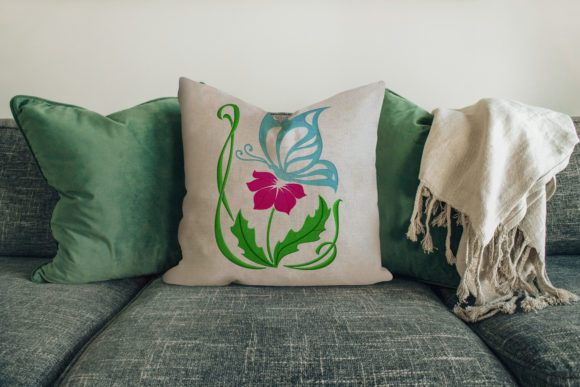
- Pillow Covers: When stitched on pillow covers, the design becomes a statement piece. Its light, airy look works especially well on neutral or pastel fabrics.
- Market Bags: Similar to tote bags, market bags benefit from the presence of Light Tree. It elevates the look of these reusable items and supports eco-friendly messaging.
- Handmade Gifts: Light Tree is ideal for giftable handmade items. It adds value and a personal touch that customers appreciate.
- Booth Samples: For booth samples, this design stands out because it's visually appealing and easy to understand at a glance. It helps attract attention and showcase your range of craft fair products.
- Etsy Listings: The design photographs beautifully, making it a great choice for online listings. Its clarity and color contrast help create attractive printable mockups for digital sellers.
- Commercial Embroidery: Light Tree has good potential for commercial use, provided you check the digital embroidery file for stitch density and ensure proper licensing.
Practical Selling and Production Points
When evaluating designs for production, several factors come into play. Let’s break down how Light Tree stacks up:
- Clarity at a Glance: The design is easy to recognize and understand, making it ideal for quick decision-making by customers.
- Accent vs Focal Design: While it can serve as a small accent, Light Tree also works well as a focal design, depending on the product and placement.
- Photography for Online Listings: The design photographs well, with clear lines and colors that translate effectively to digital formats.
- Repeatable for Batch Production: With proper testing and stabilizer use, this design should be repeatable for batch production without issues.
Careful-Use Notes for Light Tree
While Light Tree is a beautiful design, there are a few things to consider before mass-producing it:
- Dense Stitch Areas: Be mindful of areas where the stitch density might be higher. These could require additional stabilizer or adjustments in hoop size.
- Tiny Details: If the design includes small details, test them on scrap fabric first to ensure they remain visible after stitching.
- Small Lettering: If there are any letters included, confirm that they are legible at the intended size.
- Thick Fabric: Light Tree may need some adjustment when used on thick or textured materials.
- Curved Cap Surfaces: Use caution when applying this design to curved surfaces like caps. Proper tension and stabilizer are crucial.
- Dark Fabric: Ensure that the thread colors used provide enough contrast on dark backgrounds.
- Smaller Sizes: Test how the design looks when scaled down. Some elements may lose clarity if reduced too much.
Visual Appeal and Customer Engagement
The Light Tree design enhances the visual appeal of any product it’s applied to. It creates a sense of quality and care that resonates with customers looking for handmade products. This can significantly impact customer attention and increase the perceived value of your small shop product.
For Etsy sellers and other digital sellers, this design offers a consistent brand image and can become a signature element in your collection. It also contributes to stronger booth display strength by offering a cohesive and attractive range of embroidered items.
Embroidery Designer Tips for Using Light Tree
Before using Light Tree in your production line, here are a few tips from a professional perspective:
- Test on Scrap Fabric: Always test the design on scrap fabric to see how it looks and feels before committing to full production.
- Check Thread Contrast: Ensure the thread colors used match the fabric and enhance the design.
- Review Spacing: Make sure the spacing between elements is appropriate for the intended product and fabric type.
- Confirm Hoop Size: Check the recommended hoop size to avoid distortion during stitching.
- Inspect Stitch Density: Pay close attention to areas with high stitch density to prevent puckering or breaking threads.
- Use the Right Stabilizer: Choose a stabilizer that suits the fabric texture and thickness for best results.
- Create Real Mockups: Always make at least one real mockup to see how the design looks on actual products.
- Compare Fabric Colors: Confirm that the final look matches expectations by comparing fabric colors under different lighting conditions.
- Confirm Commercial Licensing: If you plan to sell finished products, make sure you have the correct commercial licensing for the digital embroidery file.
In summary, Light Tree is a versatile and visually appealing embroidery design that has great potential for a wide range of craft fair products. Whether you're an Etsy seller, handmade shop owner, or creative entrepreneur, this design can add value and charm to your collection. Just remember to test it thoroughly and consider all practical aspects before moving forward with production.